Want a 'Super Noggin'?: Carelink and Cognitive Fitness
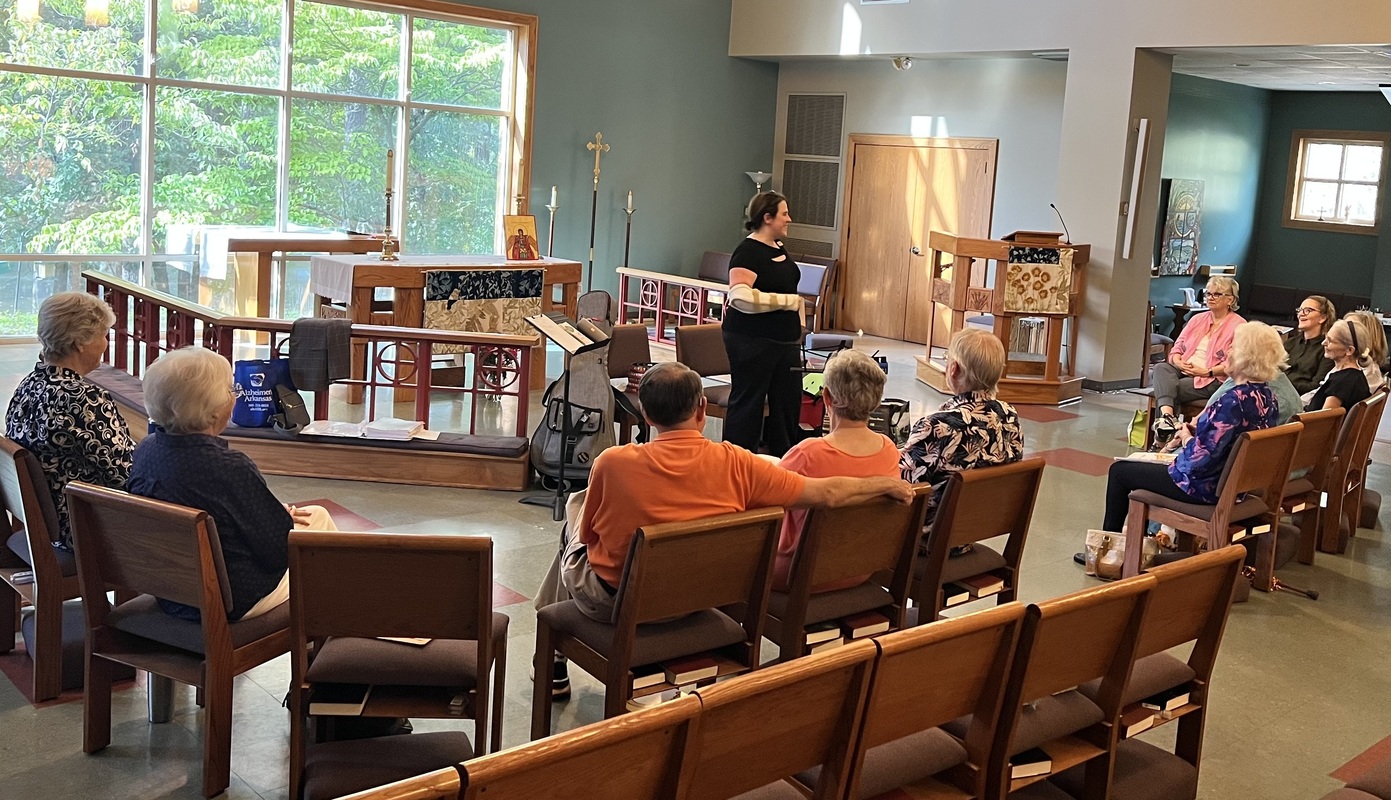
Super Noggin classes are held throughout Arkansas, giving seniors across the state the opportunity to strengthen their cognitive health.
Nearly a quarter of adults 45 and older in Arkansas are experiencing subjective cognitive decline, cognitive and memory problems that are worsening; however, evidence-based strategies promoting brain health are available throughout the state, including CareLink’s Super Noggin program.
“It helps folks delay the cognitive decline associated with dementia and other cognitive illnesses,” explains Michelle Gilbert, vice president of development at CareLink, aka the central Arkansas Area Agency on Aging. “We teach people about brain health, about fitness that contributes to that, about nutrition that contributes to it and then there’s also a socialization component.”
Super Noggin was developed in 2009 by LEAF Ltd., a nonprofit focused on promoting cognitive fitness. CareLink purchased the program’s rights several years ago and has since become its central administrator, providing training for class leaders throughout Arkansas and the country.
The one-year program is delivered by trainers through workshops and group sessions, all covering different topics. According to Todd Price, director of outreach for CareLink and Super Noggin’s primary administrator, topics range from memory improvement tips to mindfulness.
“We talk about 10 steps to brain fitness, remembering names and faces, memory techniques, mental exercises, mindfulness and memory, better sleep, stress reduction, laughter and mind-body connection, life review and memory enhancement,” Price says. “It’s very structured and because it lasts for a year, you actually have time to develop and improve on all those aspects. I think that’s why the program is so successful.”
In central Arkansas alone, 98 people completed the Super Noggin program in 2025. Statewide, 30 individuals are certified to provide the program, mostly in central and northwest Arkansas.
Tracking Progress
Super Noggin participants meet for 10 scripted workshops based on the program curriculum, followed by monthly celebrations, which typically include presentations from relevant experts.
“We may bring in a nutritionist to talk about good nutrition, or we may have someone come and talk about how to get better sleep, or we’ll have someone come in and maybe do yoga or Tai Chi,” Price says. “Or it could just be an ice cream social – whatever the instructor wants it to be.”
The regular, in-person meetings help participants cultivate a community among peers of similar life experiences.
“You’ve got your friends there and … that group is contributing to people’s participation,” Gilbert says. “So, we set them up to learn about, and then incorporate, healthier habits in their daily lives. Then it has that socialization and group participation aspect that we think kind of carries those first two things further.”
At the start of the program, participants receive a workbook, which includes daily and weekly exercises meant to promote brain health. Group members are encouraged to keep a daily gratitude journal and nature observations log. They can also check off healthy habits observed weekly, like eating the recommended servings of fruits and vegetables or spending time exercising.
“They’ve got to exercise for 30 minutes, have five servings of fruits and vegetables, practice gratitude, laugh five times a day, take five deep breaths every day, do 10 minutes of mindfulness,” Price says.
The workbook also has three weekly Noggin Builders — exercises that change week-to-week. Gilbert says the Noggin Builders help participants work out areas of their brains they don’t always get a chance to use.
“They ask you to do things differently, like you’re not used to doing. You might brush your teeth with your left hand, or drive a different way to church in the morning, or maybe go to a different Kroger than you normally do and have to find the bread aisle in a different place,” she says. “It’s really just putting yourself in circumstances to use pieces of your brain that you don’t normally.”
Participants are asked to score themselves out of 100 each week based on the number of workbook activities completed. Each quarter, participants can receive gold, silver or bronze recognition for the points they’ve accumulated.
“It’s just like the Olympics. We all want the gold medal, right? So, they have something to aim for,” Price says. “There’s some accountability there, because we all want to say, ‘I did 100,’ or ‘I did 90.’”
The scorekeeping also allows program leaders to intervene when participants consistently report low scores. Price gave the example of someone who regularly fails to complete the program’s exercise component; with the instructor’s help, that person may be able to work with another group member to plan a routine, which can then improve their score.
“I think the group kind of helps you in so many ways,” he says.
CareLink is currently working to update some of the Super Noggin activities to better fit a 2026 lifestyle — “Things that make sense to do on your cell phone, or on Zoom, whatever is relevant to daily life,” Gilbert says. Organizers also are working with a student from the Clinton School of Public Service to formally research program outcomes. Anecdotal reviews from group members collected internally by CareLink, however, are positive.
“‘Super Noggin equals super fun. I like that the weekly classes became a priority. They were full of educational, challenging and goal-aspiring information,’” Gilbert says one participant reported. “‘The camaraderie, the joy of seeing everyone, the educational information and most importantly, the motivation to continue the lifestyle changes and report in — it has such a positive impact on daily life, and seniors need that.’”
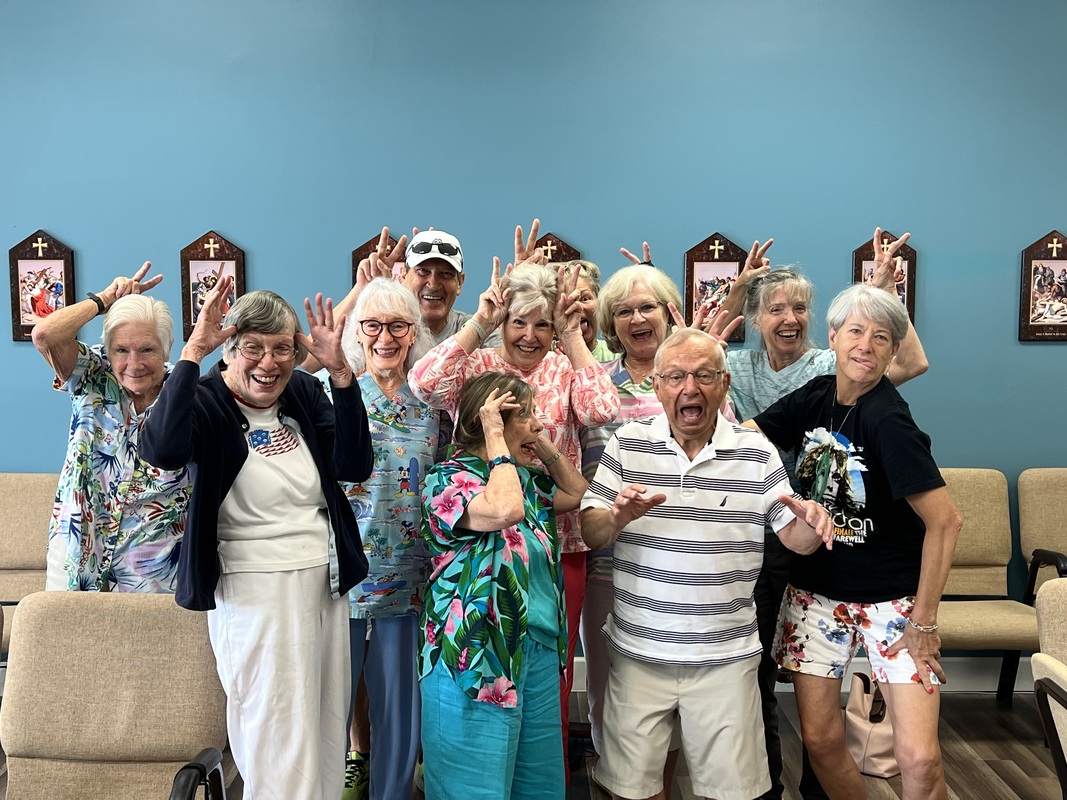
Socialization is an important aspect of the Super Noggin program and can help participants stay on track with program goals, organizers say.
Getting Involved
Price and Gilbert say CareLink can train members of any senior-focused organization to be Super Noggin instructors. Current partners include Area Agencies on Aging, the Arkansas chapter of the Alzheimer’s Association and local senior centers and churches.
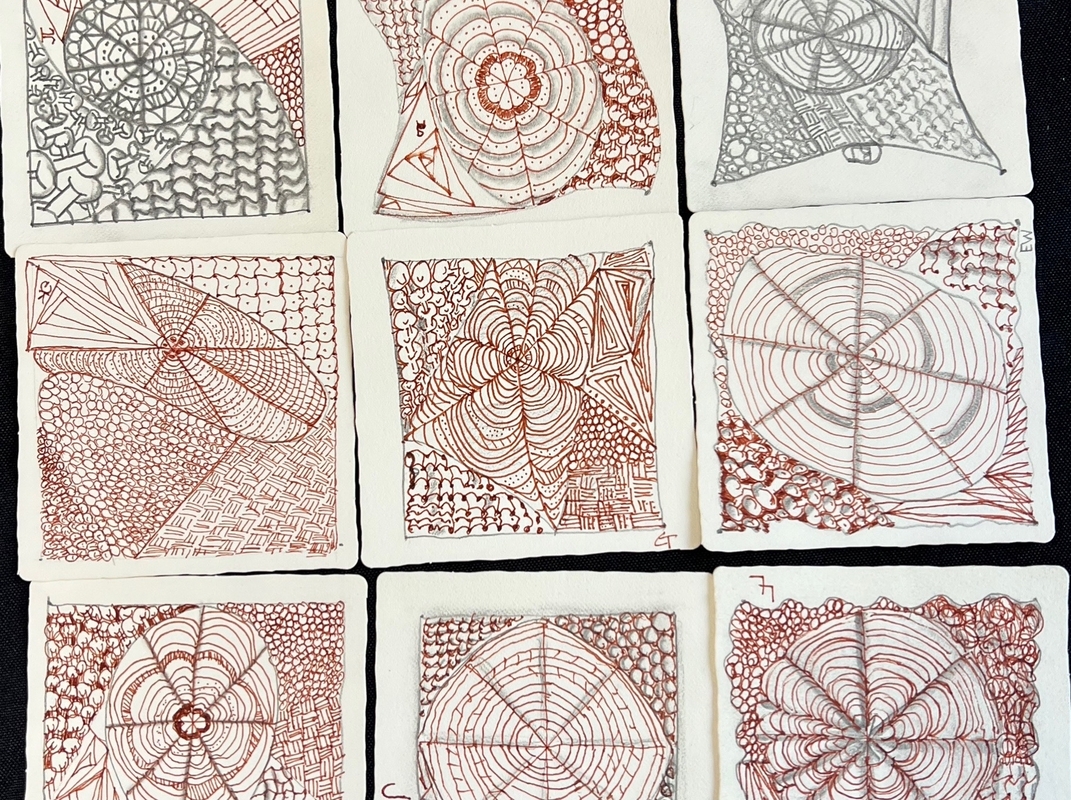
Weekly Noggin Builders challenge Super Noggin participants to try something new, like creating "Zentangle" art.
Learn more about Super Noggin at supernoggin.org, alzark.org or carelink.org. CareLink also posts updates about workshops on its Facebook page.